
There’s something really special about having people over. It doesn’t have to be a perfectly styled home, a table covered in expensive dinnerware, or a menu that takes three days to prepare. In fact, some of the best dinner parties are the ones where you actually get to sit down and enjoy them yourself.
For us, hosting is about creating an atmosphere that feels thoughtful, personal and fun without making yourself completely exhausted or spending a fortune. We recently hosted a dinner that was exactly that, and it reminded us that you really don’t need to do the most to make people feel special.
Here are some of the things we did to make it beautiful, memorable and, most importantly, manageable.
- Build a Tablescape You Can Use Again and Again
If you’re going to invest in hosting pieces, make them pieces you’ll actually use. Our biggest tip is to keep the foundations neutral and lean into what you already have.
We already had silver serving platters at home, so rather than buying something completely different for this dinner, we simply added a few more. Silver is one of those finishes that can work across so many different themes, whether you’re going for something colourful and playful or more elegant and understated.
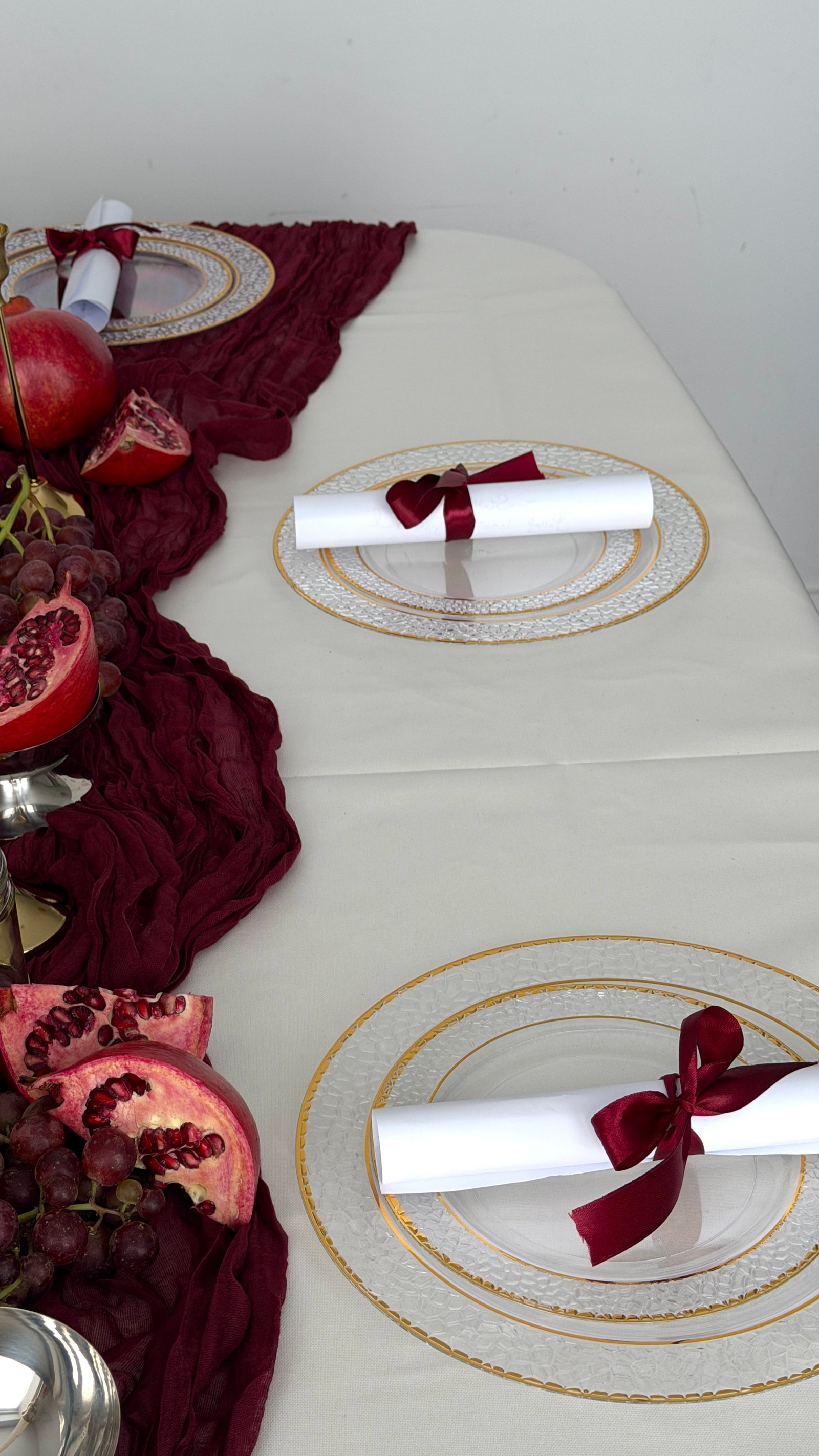
The same goes for your tablecloth and plateware. A simple white tablecloth and plain white plates can be dressed up in so many different ways. You can completely change the feel of the table just by switching the table runner, napkins, candles or centrepiece.
We try not to buy things that are so specific to one theme that they’ll sit in a cupboard for the next five years. The goal is to build a collection of versatile pieces that can keep being reinvented.
- Let Your Centrepiece Do More Than Just Look Pretty
We love using things that serve a purpose beyond decoration, and this dinner was a perfect example.
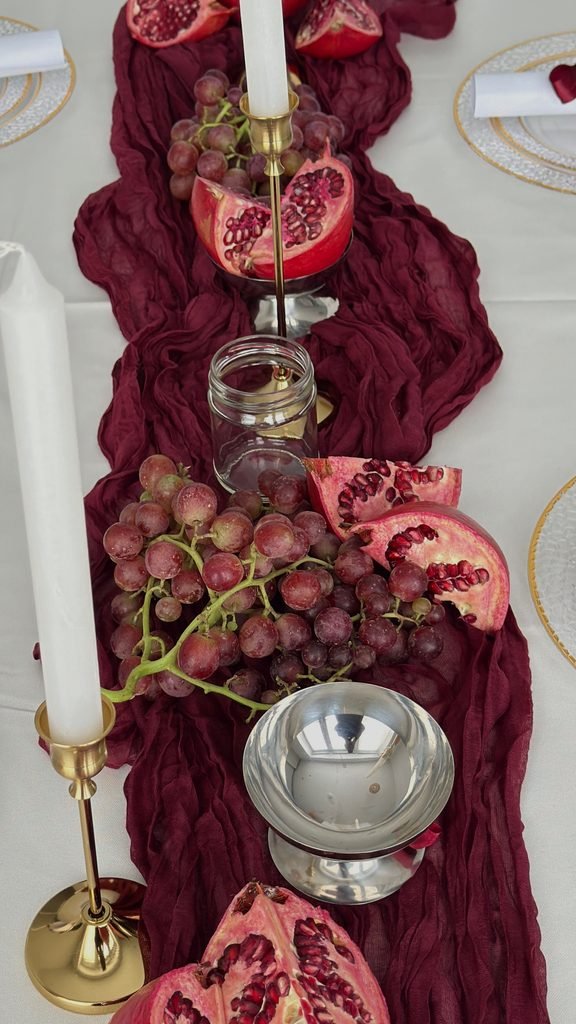
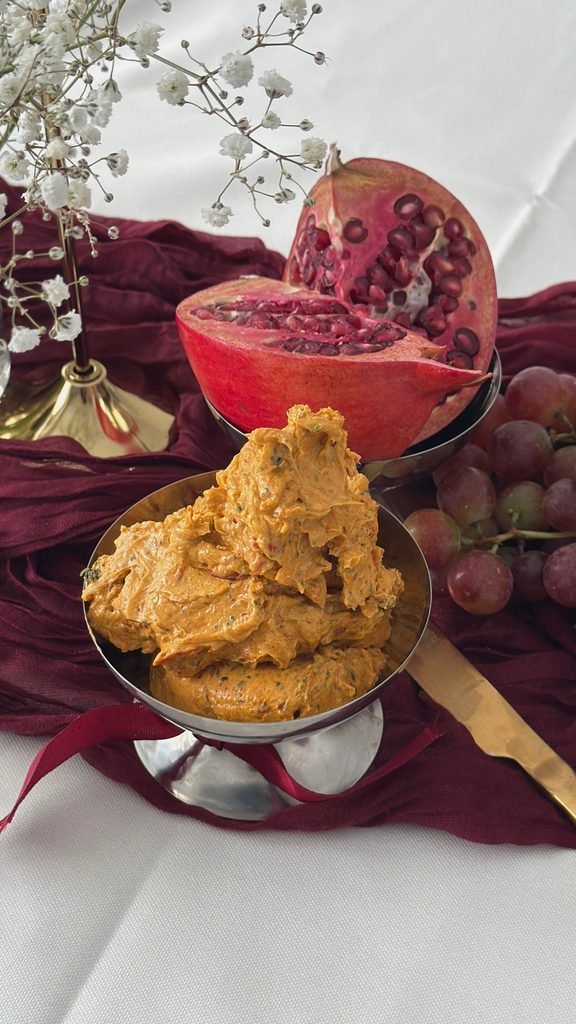
Instead of buying a traditional centrepiece, we used fresh pomegranates and grapes throughout the table as part of the decor. It gave the table colour, texture and that beautiful abundance that makes a dinner table feel special, but it didn’t create more clutter in the house.
And the best part? Nothing went to waste.
Our guests were able to use some of the flowers to make little bouquets to take home, and they also took some of the fruit home with them to enjoy later. We love a tablescape that looks beautiful and has a second life after the guests leave.
- Make the Menu Feel Like You
Simple food becomes much more memorable when there’s a story behind it.
For this dinner, we wanted the menu to reflect who we are, so we brought together different parts of our Irish and Nigerian heritage. One of the dishes we made was a salt and pepper tripe dish inspired by the flavours and style of a spice bag, using shaki — a very familiar Nigerian ingredient and giving it an Irish twist.
It was a bit unexpected, but it ended up being one of the highlights of the meal. Everyone loved it, and that’s exactly what we mean when we say your menu should feel personal.
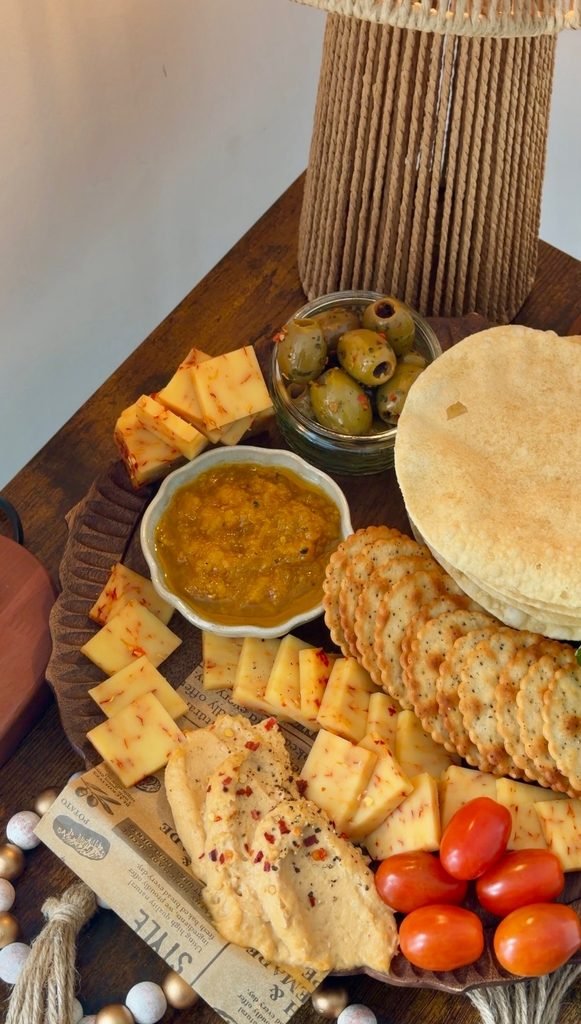
We balanced that with much simpler dishes too. We had roasted Padrón peppers with salt, which took hardly any effort but added colour, freshness and some vegetables to the table.
You don’t need every dish to be complicated. In fact, you probably shouldn’t make every dish complicated. Pick one or two things that have a story, make them the stars, and let the rest of the menu support them.
- Choose Food You Can Prepare Before Your Guests Arrive
This is probably one of our biggest hosting rules: if it can be made ahead, make it ahead.
Our dessert for this dinner was a masala pumpkin chai tiramisu, and we made it the night before. It sat happily in the fridge until we were ready to serve it, which meant dessert was completely taken care of before the first guest even arrived.
Salads are another great option. Prepare everything beforehand and simply keep the dressing separate until you’re ready to serve. That way everything stays fresh without you having to start chopping vegetables while your guests are sitting at the table.
And for dishes that need to stay warm, think ahead about how you can keep them at the right temperature without having to constantly cook.
For our rice, we prepared it in advance, transferred it into an oven-safe container, covered it and kept it warm in a low oven at around 50°C. This meant all the food we had prepared for the oven stayed warm and ready to serve, rather than us having to cook throughout the evening.
The result? By the time everyone arrived, almost everything was done.
- Leave One Thing for the “Show”
Although we wanted the majority of the food ready beforehand, we deliberately left our fried elements until later.
We could have fried everything in advance, but there’s something about serving something fresh and crispy that makes it feel a little more special. It also gave us a bit of a moment during the dinner rather than everything simply appearing on the table at once.
You don’t need to create a full restaurant experience in your kitchen. Just choose one element that you genuinely want to serve fresh. Everything else can be prepared in advance.
That way, you get the fun of cooking for your guests without spending the entire evening standing over a pan.
- Put Your Guests on Drinks Duty
Your guests will almost always ask, “What can I bring?”
Let them bring something!
For this dinner, we told our guests they could bring either a starter or a drink. Almost everyone brought a drink — which actually worked out perfectly because we ended up with a nice variety without having to buy everything ourselves.
We made one mocktail ourselves and kept the rest simple. There was water, the mocktail and a selection of drinks that our guests had brought along.
You really don’t need to provide ten different drinks. Have one thing that you’ve made yourself, keep the basics available and let your guests contribute if they want to.
- Keep the Guest List Manageable
There is absolutely nothing wrong with keeping your dinner small.
The bigger the guest list, the more food, seating, preparation and general organisation you need. If you’re trying to make hosting feel stress-free, invite the number of people you can comfortably accommodate rather than feeling like you need to invite everyone you know.
A smaller dinner also gives you the chance to actually spend time with your guests.
And really, isn’t that the point?
- Pick a Theme and Let It Guide You
Having a theme doesn’t mean everything needs to match perfectly. Sometimes it can simply be a concept that gives the dinner some direction.
Once you have a theme, decisions become so much easier. It can influence the colours on your table, the food you serve, the drinks, the little details and even the activities you plan.
For us, this dinner was very much about bringing different parts of our identity together. That gave us a starting point for the food and the overall feel of the evening, without making it feel overly themed or forced.
A theme gives you a framework. You can then have fun within it.
- Create an Experience, Not Just a Dinner
A beautiful tablescape and good food are great, but what people really remember is how they felt.
We wanted our guests to actually interact with each other, so we planned a few things before the dinner rather than trying to come up with entertainment on the spot.
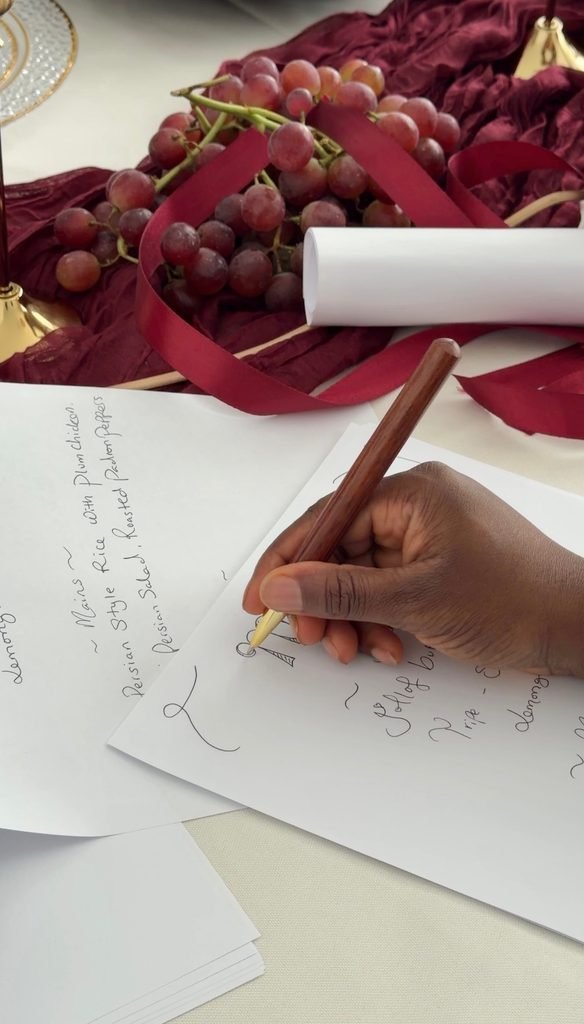
We had dinner awards including things like Best Dressed which gave everyone something fun to get involved in. We also asked everyone to write down something unique about themselves, without putting their name on it. We then read them out and had everyone guess who had written each one.
It was such a simple idea, but it got everyone talking and laughing and, more importantly, gave people a reason to interact beyond the usual dinner conversation.
You don’t need a packed itinerary. Just one or two thoughtful activities can completely change the energy of the evening.
- Think About the Atmosphere
Once the food and table are sorted, think about what the room actually feels like.
Lighting makes such a difference. We like having the main lights on when people are arriving and getting settled, but as the evening goes on, warmer pockets of light and candles instantly make the space feel more intimate.
And don’t underestimate the little things. A beautifully set table, warm lighting, food that is ready to serve and a few conversation starters can completely change the atmosphere without costing you much at all.
The aim isn’t to create something that looks perfect for Instagram. It’s to create a space where people actually want to stay.
The Real Secret to Stress-Free Hosting
At the end of the day, hosting doesn’t need to be expensive or exhausting. The best thing you can do is work with what you already have, invest in pieces you know you’ll use again, keep your menu realistic and prepare as much as possible before your guests arrive.
But most importantly, make it personal.
Use food that tells your story. Decorate with things that can be enjoyed afterwards. Give your guests something to talk about. Let them bring a drink. Choose a theme that feels like you.
You don’t need a house full of expensive hosting pieces or a menu with ten complicated courses. You just need good food, a little thought, a warm atmosphere and people you genuinely want around your table.
Because ultimately, the art of hosting isn’t about how much you spend or how much you manage to do.
It’s about making people feel welcome while making sure you get to enjoy the evening too.